
Heirloom House
How could architecture endure a millennium, yet transform in an instant?
We are nomads, cycling through homes every few years, yet we build as if permanence were reality. This contradiction fuels an architecture of waste—homes lasting mere decades, endlessly renovated, then discarded.
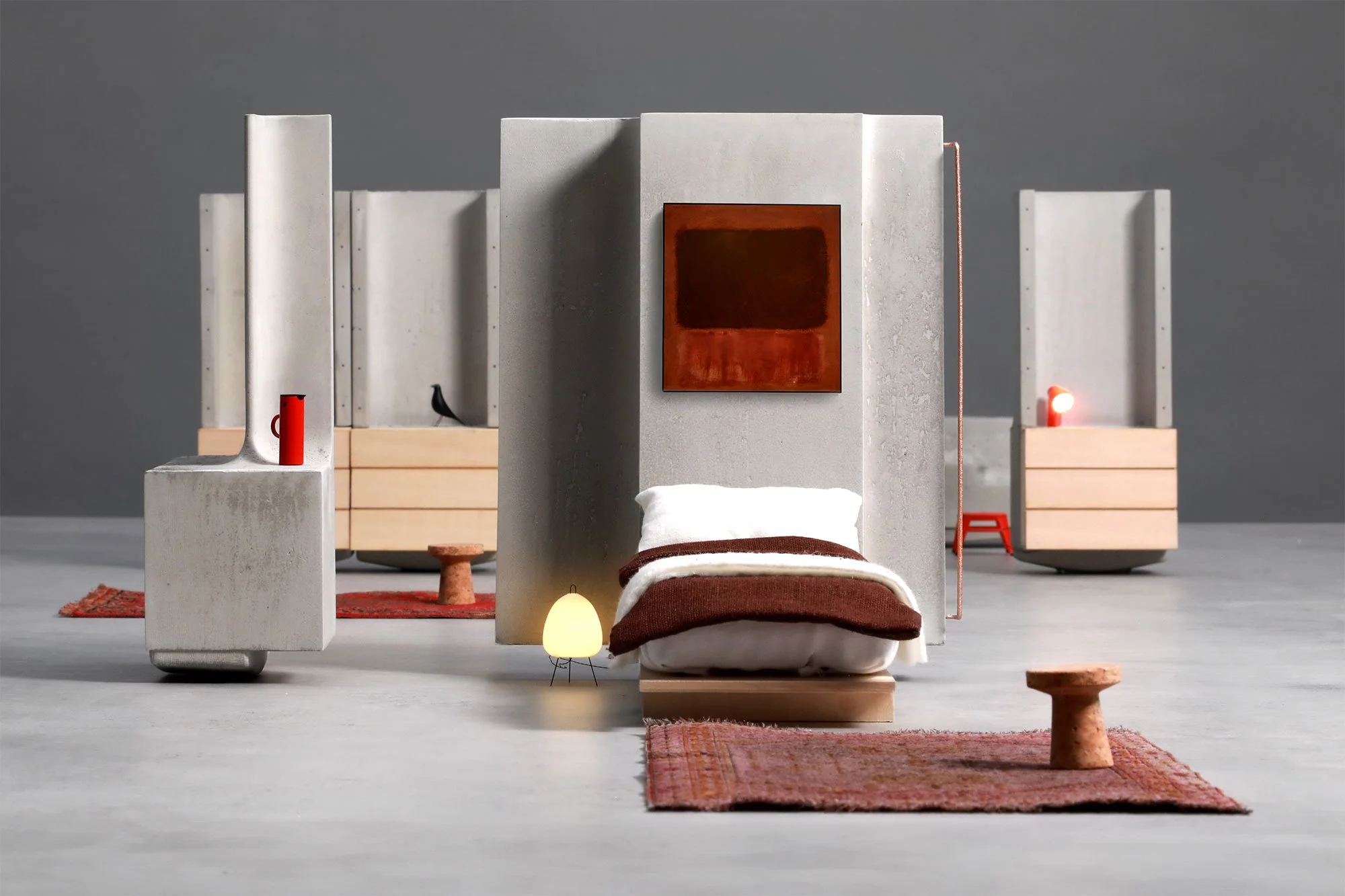
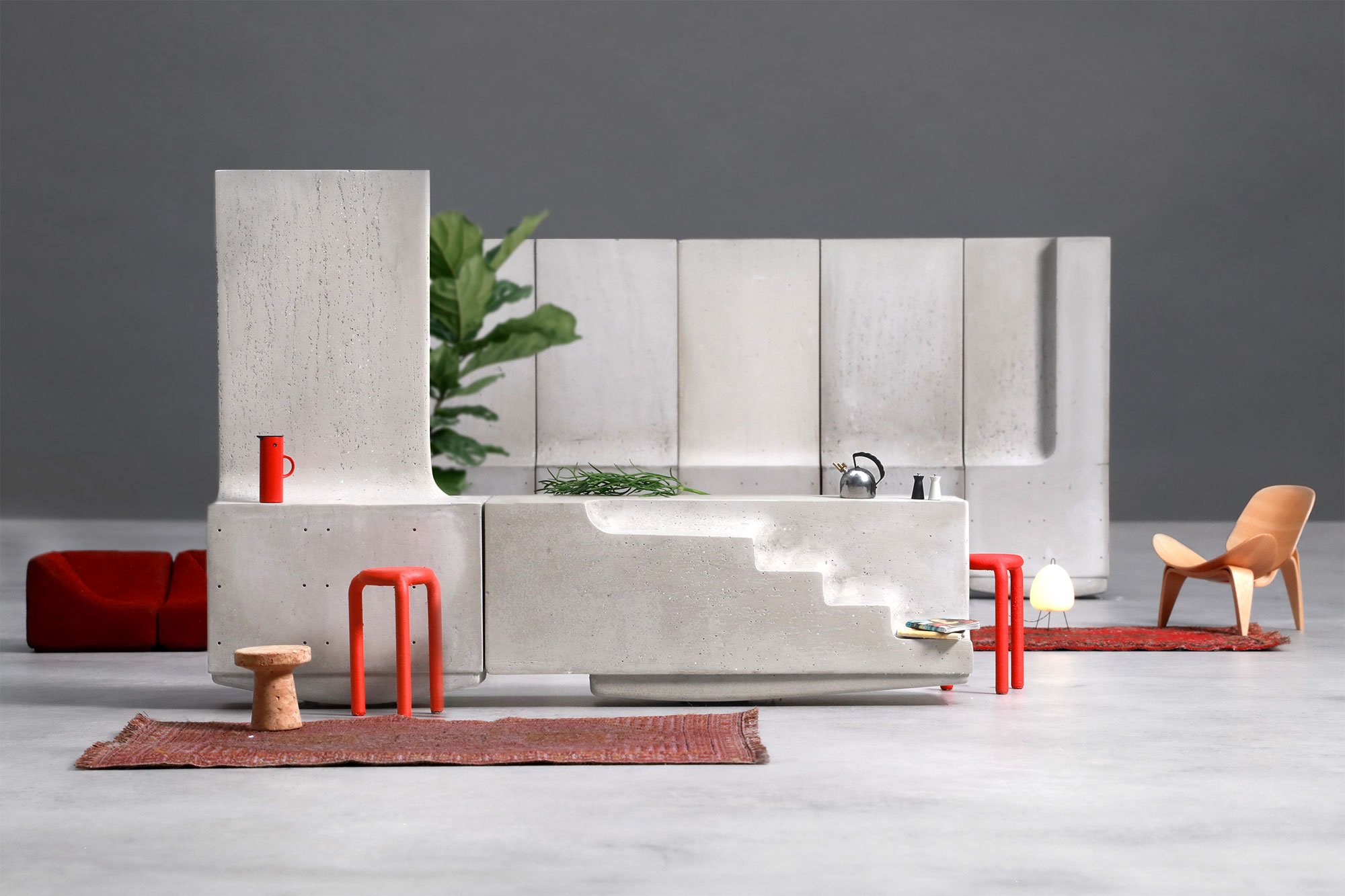
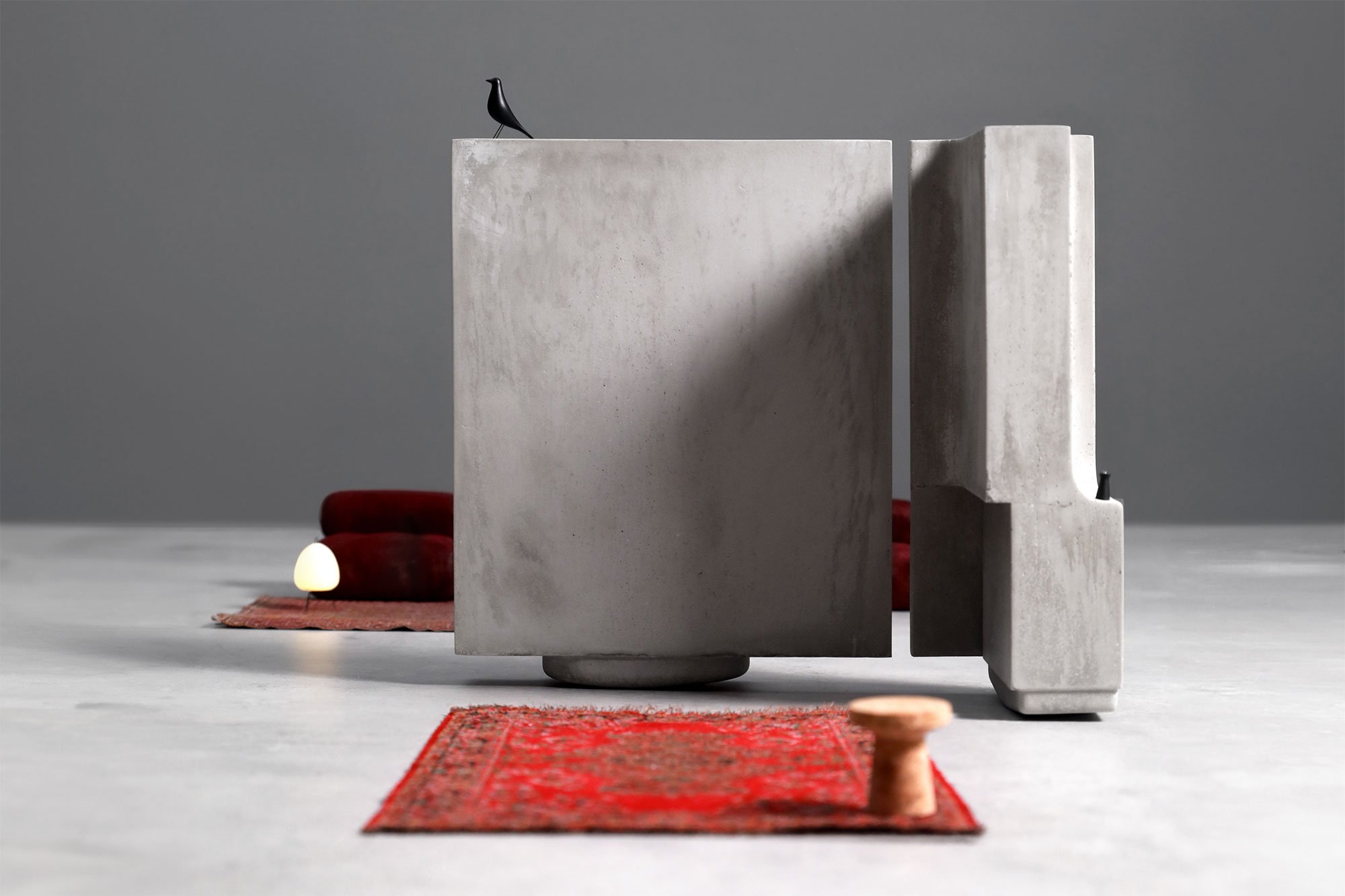
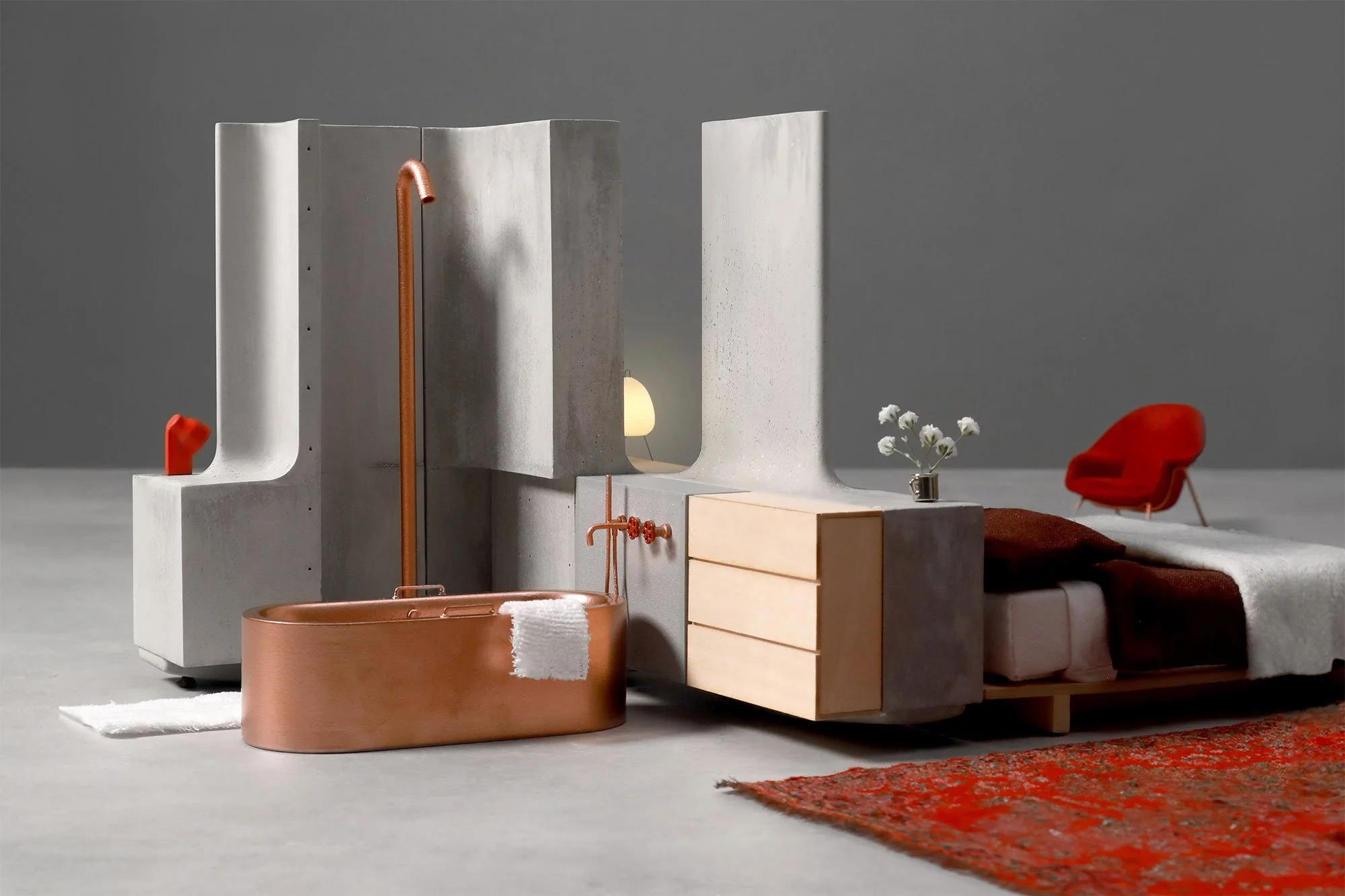
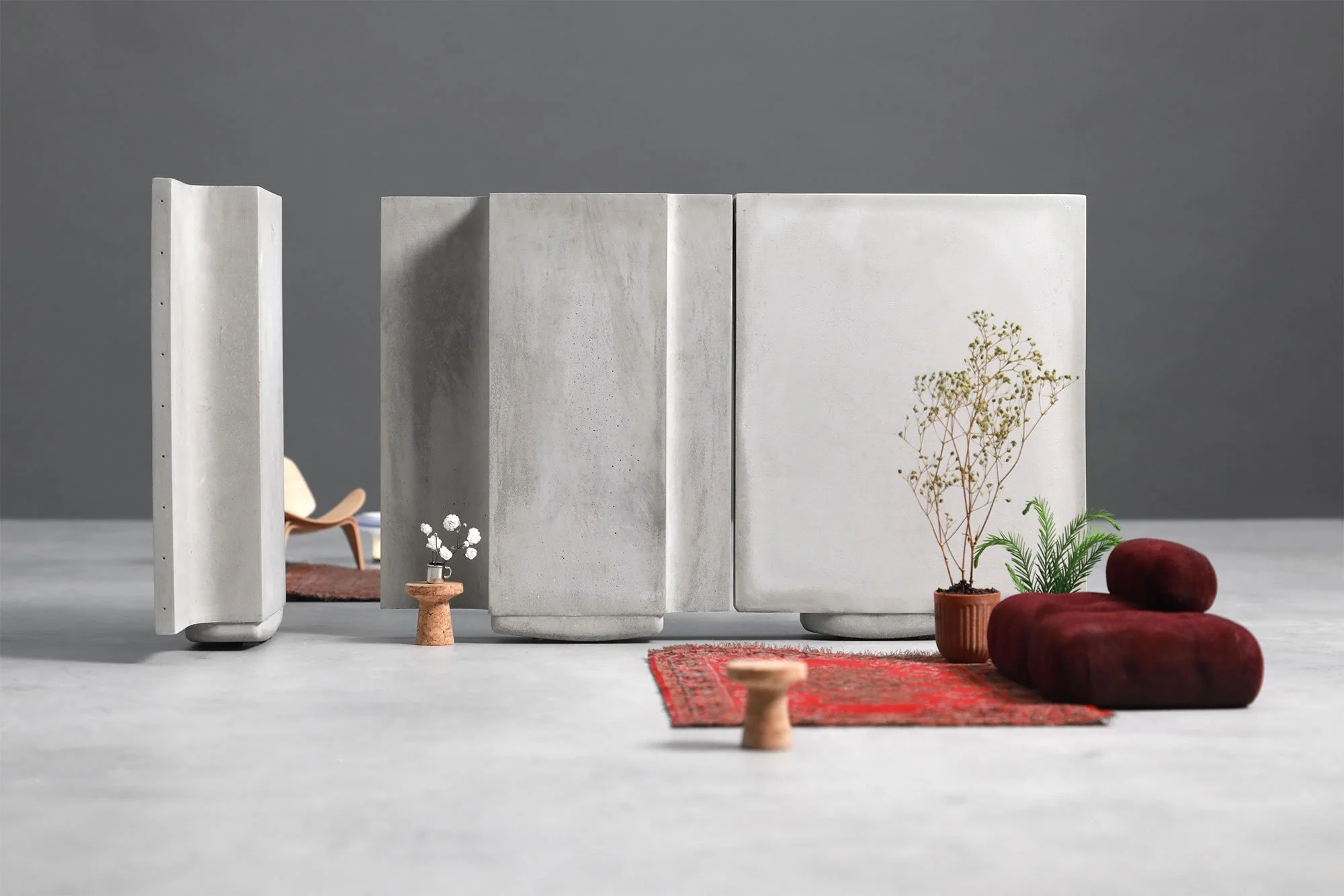
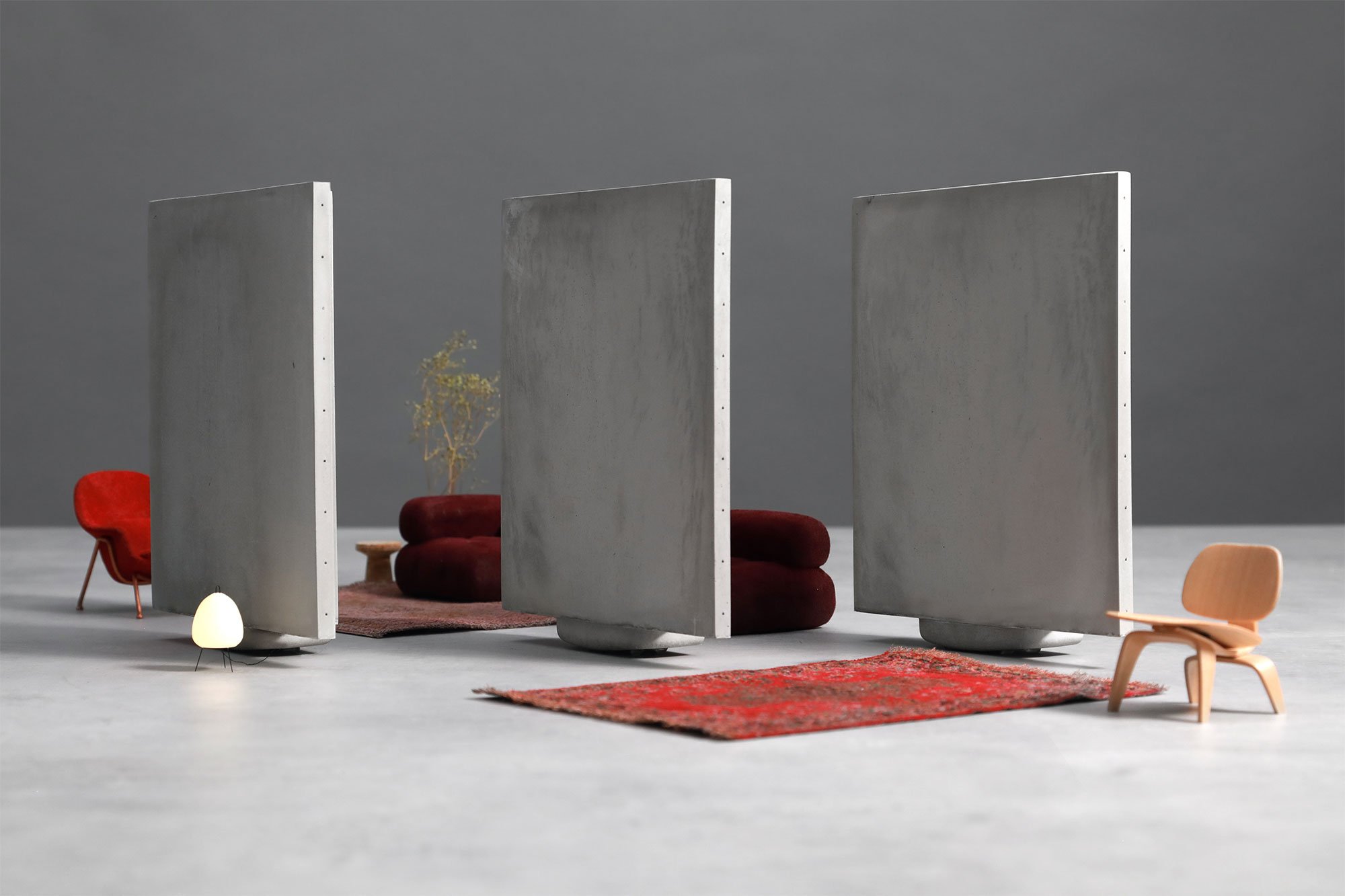
Heirloom House offers an alternative: confronting the paradox of permanence and adaptability by coupling combinatorial and kinetic design to enable massive elements to transform residential space.
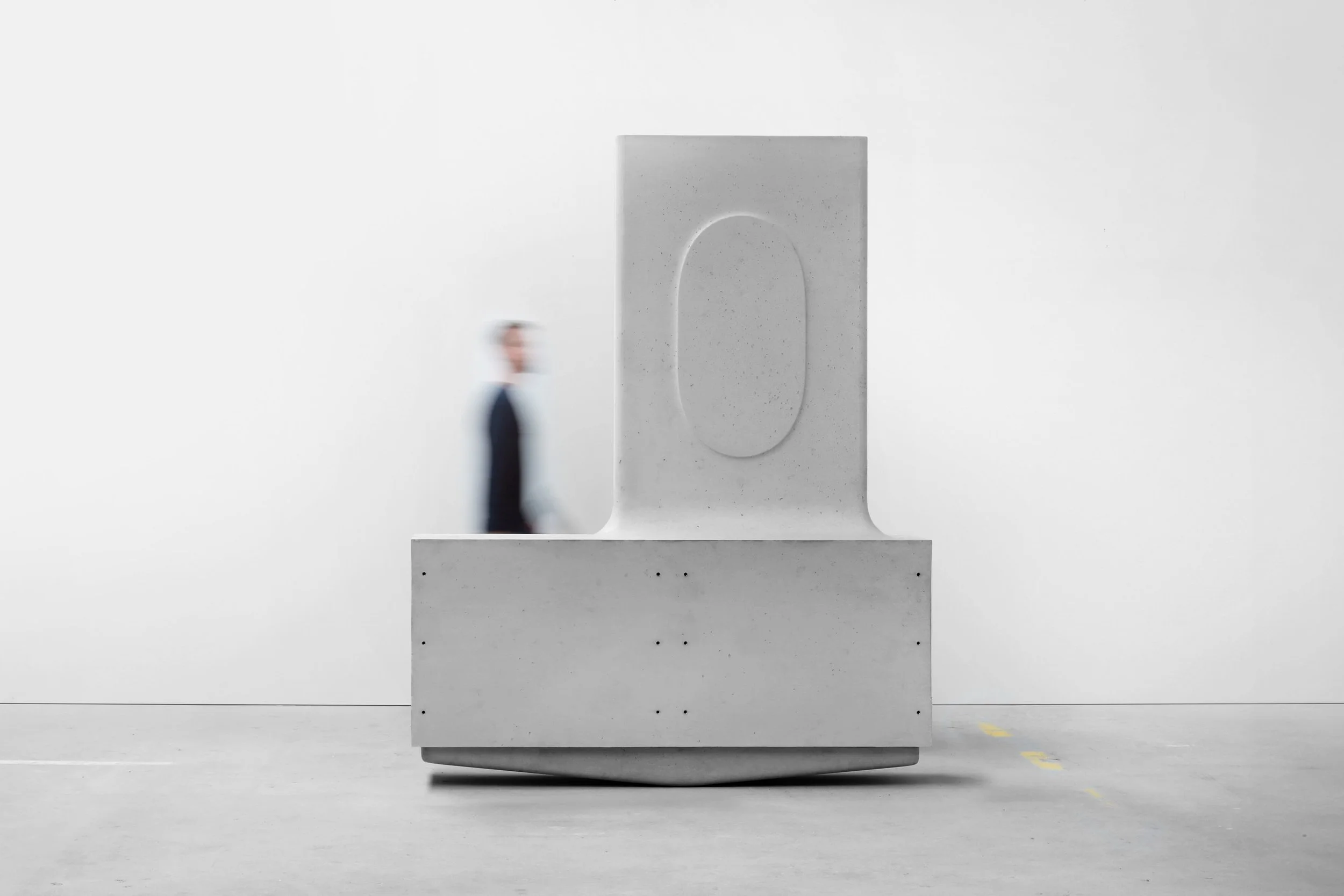
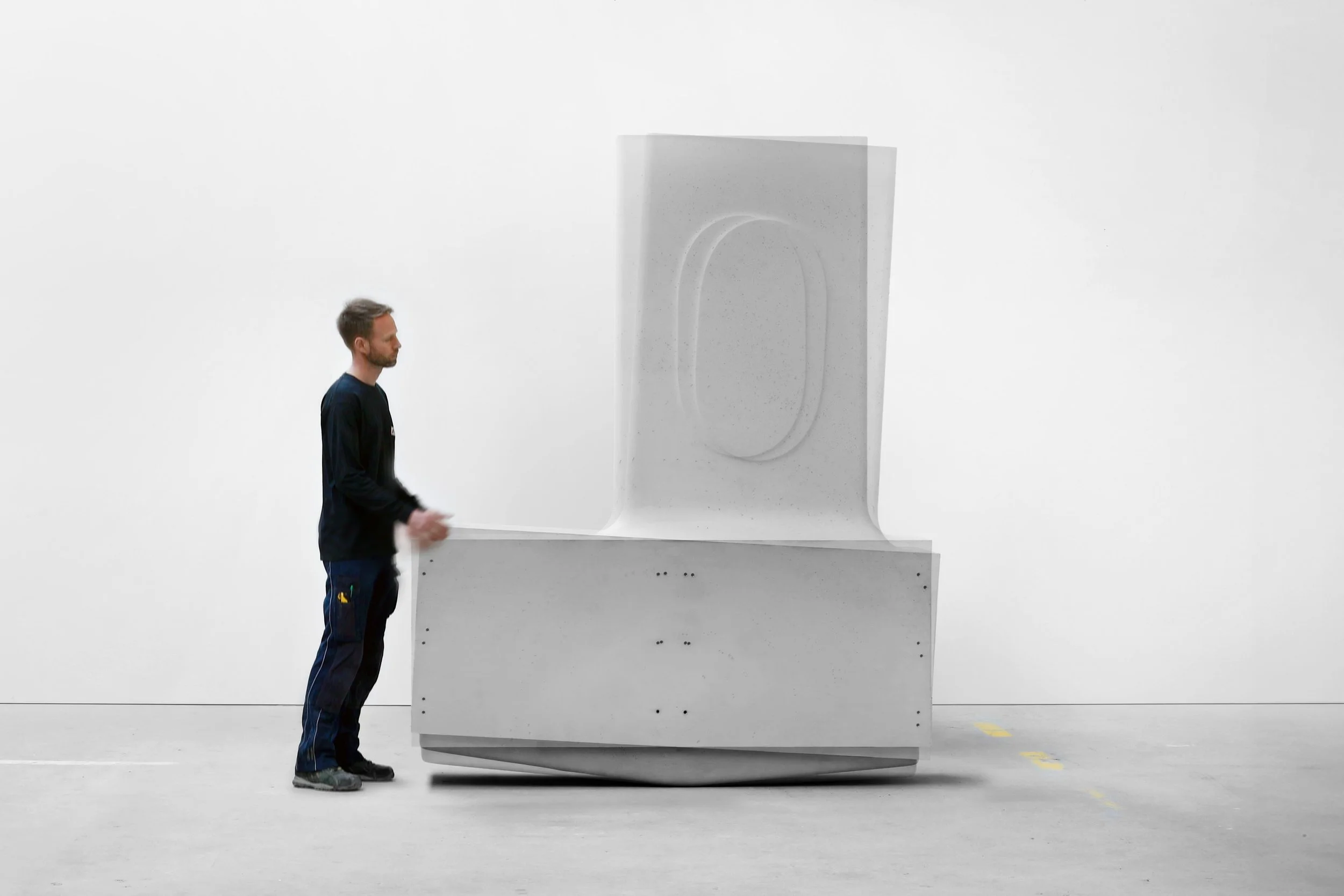
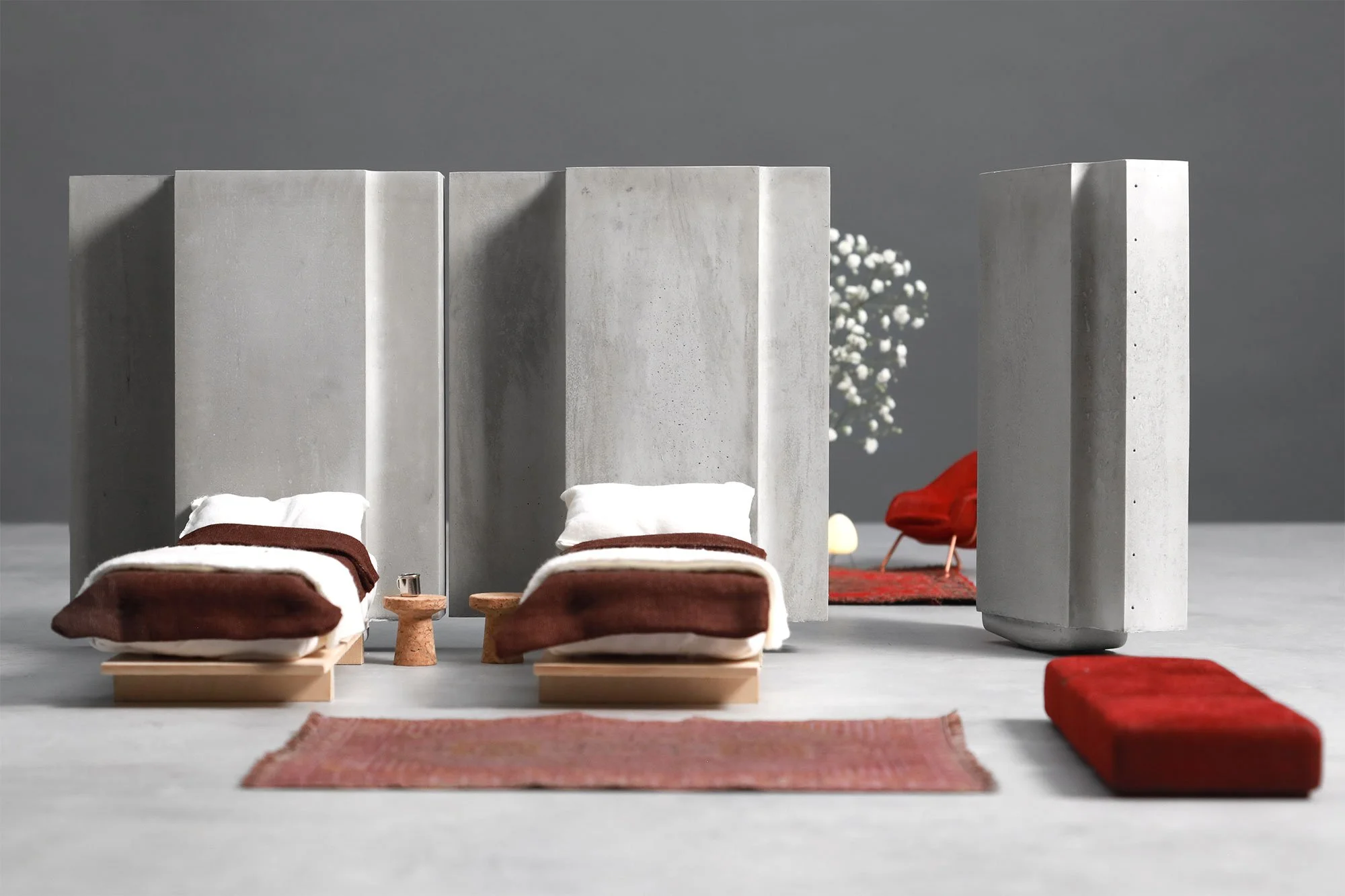
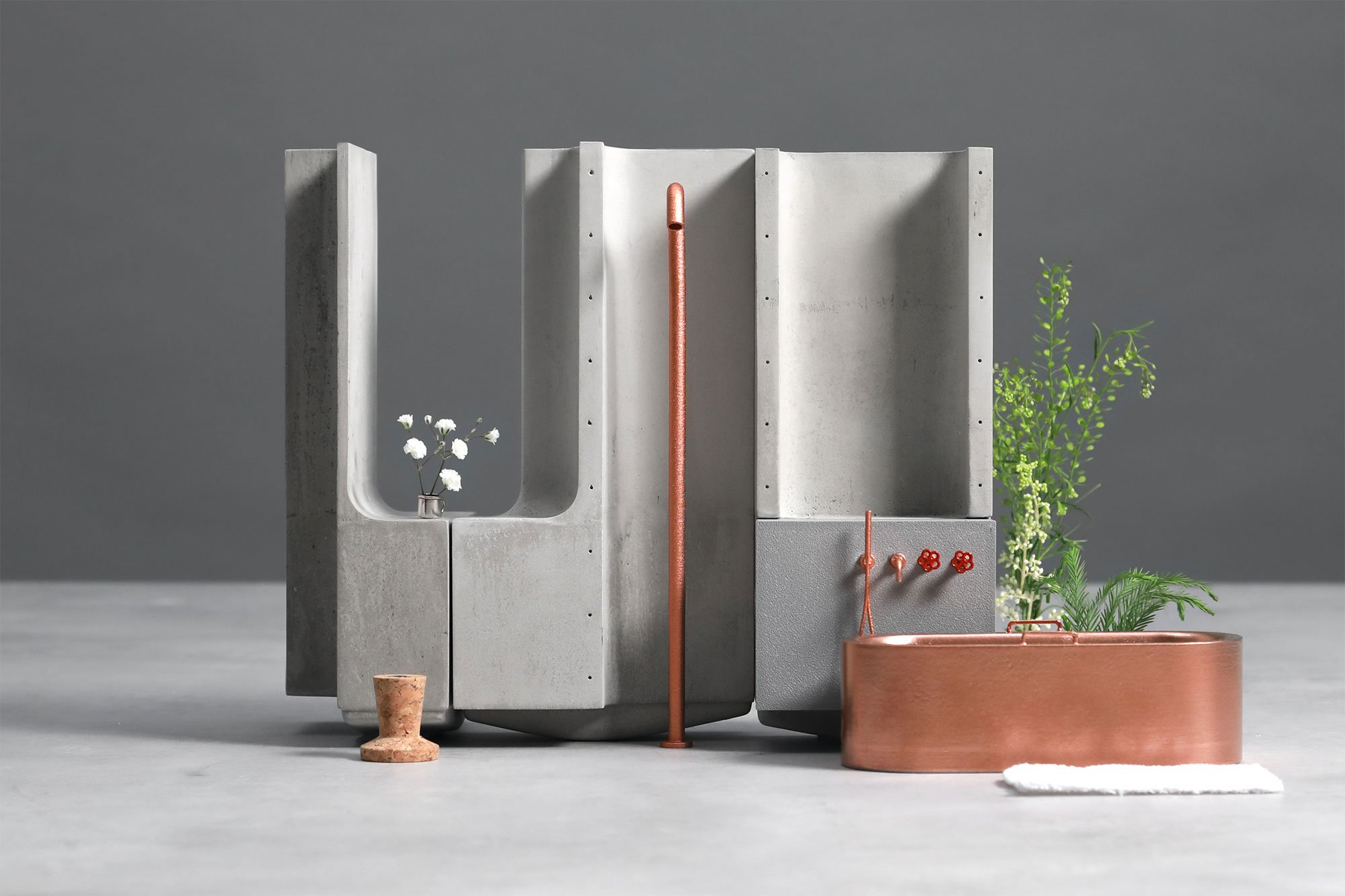
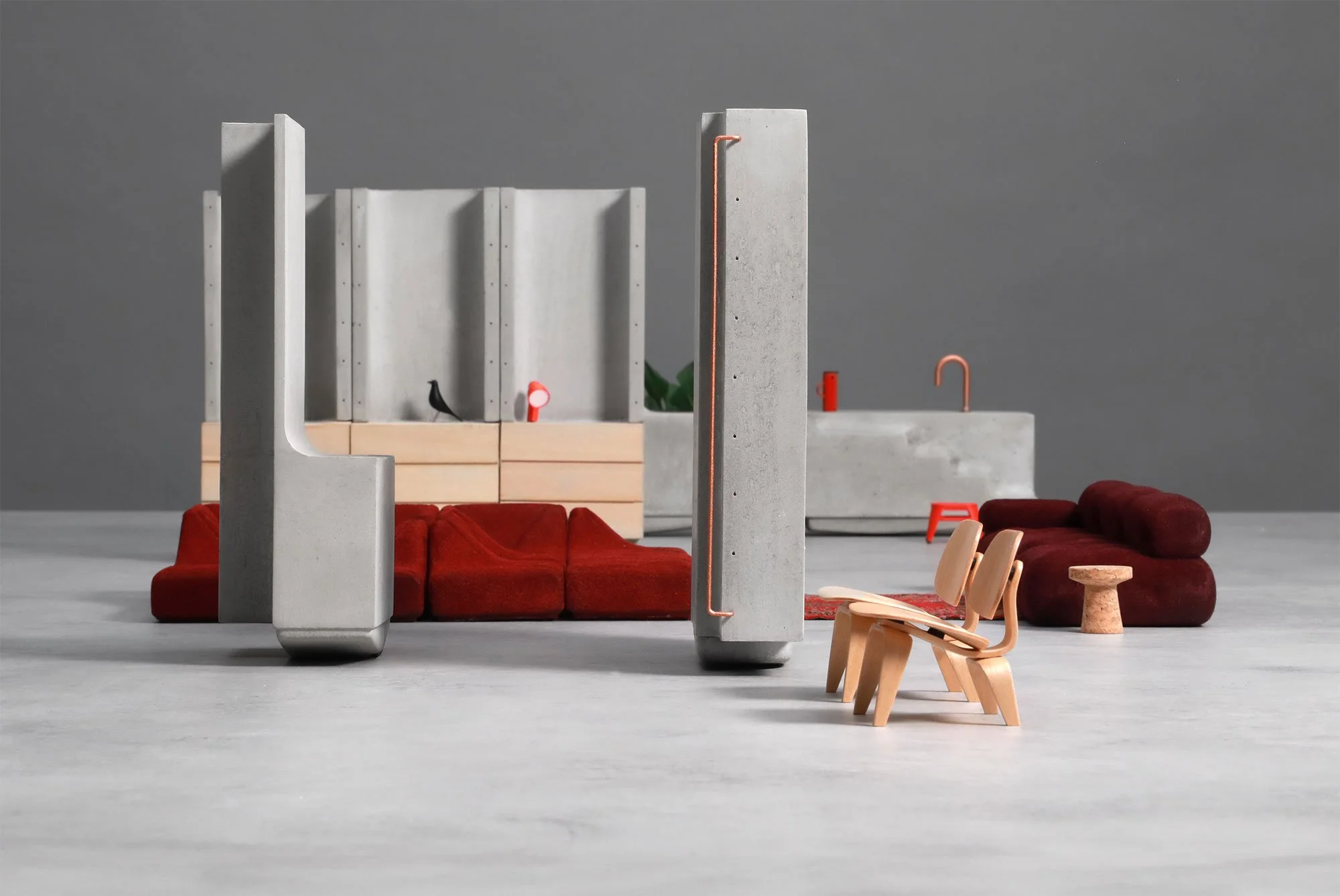
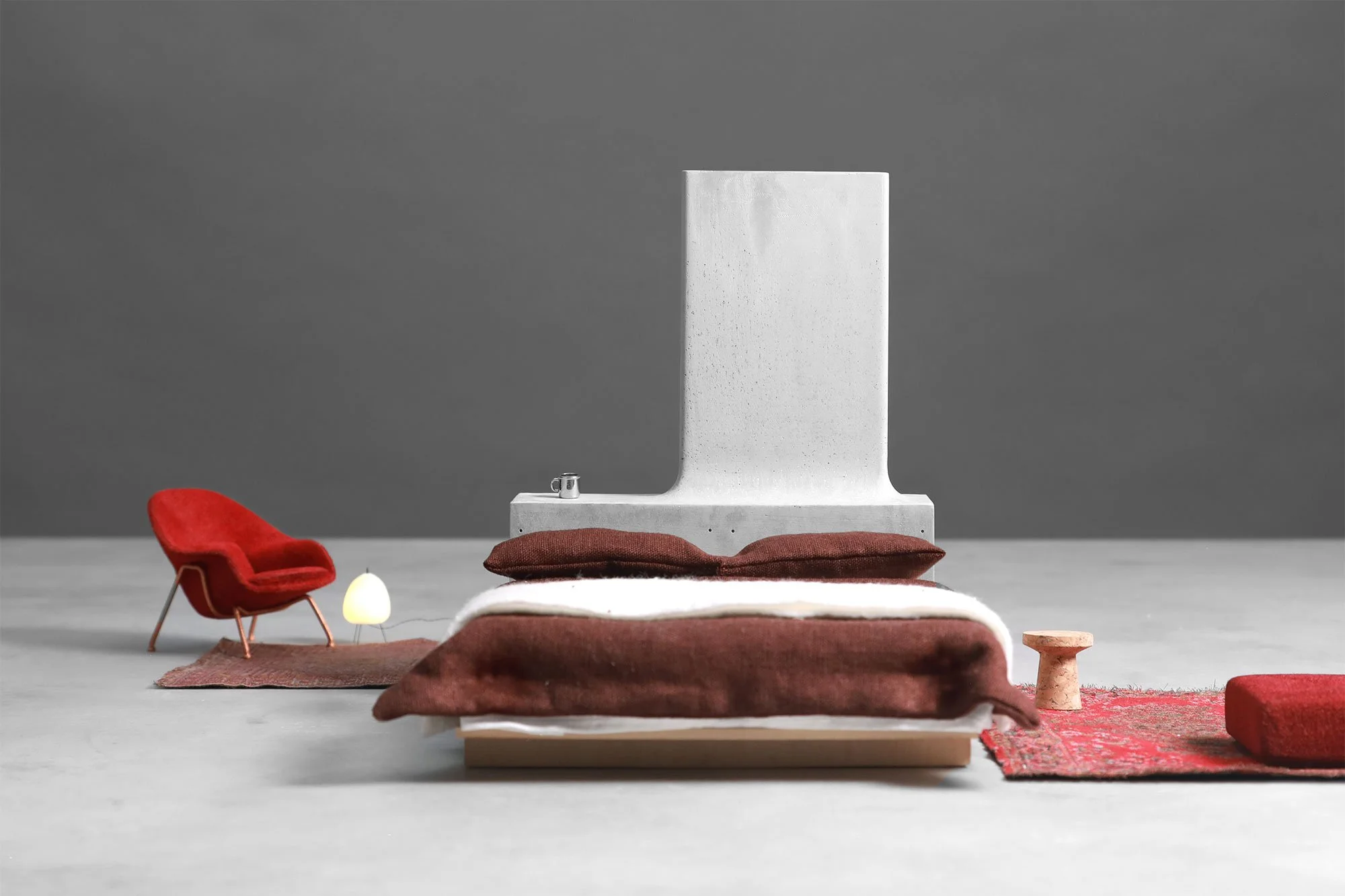
Heirloom House consists of nine concrete megaliths, each with a uniquely computed base allowing the colossal structures to wobble, pivot, and walk. Heavy, inert, and enduring—yet computationally calibrated for flexibility. They are capable of daily rearrangement, seasonal reconfiguration, and generational reuse—adapting to evolving needs or shifting climates. No demolition, no waste.
An extended lifespan comes at the cost of increased mass and embodied energy. Rather than minimize these, Heirloom House employs computation to reconcile mass with adaptability—treating weight not as a burden, but as a medium to choreograph, calibrated to resist obsolescence through continual transformation.
By redefining renovation as reconfiguration, Heirloom House reconciles permanence with adaptability, challenging short-sighted construction practices. It envisions a future where architecture endures not by resisting change, but by embracing it.
Credits
Brandon Clifford in collaboration with Davide Zampini of CEMEX Global R&D